
Echinacea - Coneflower
- Seeds per pack: 35+
Seed Details
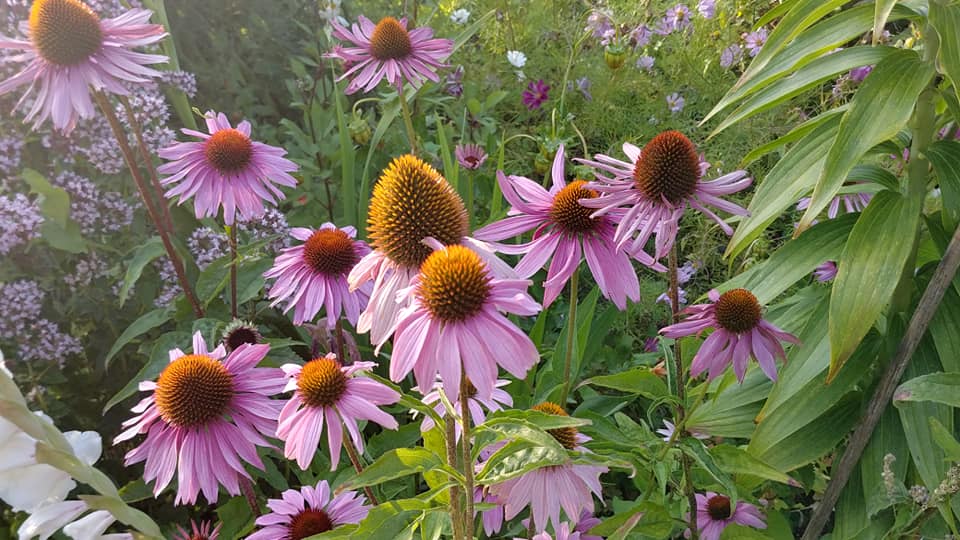
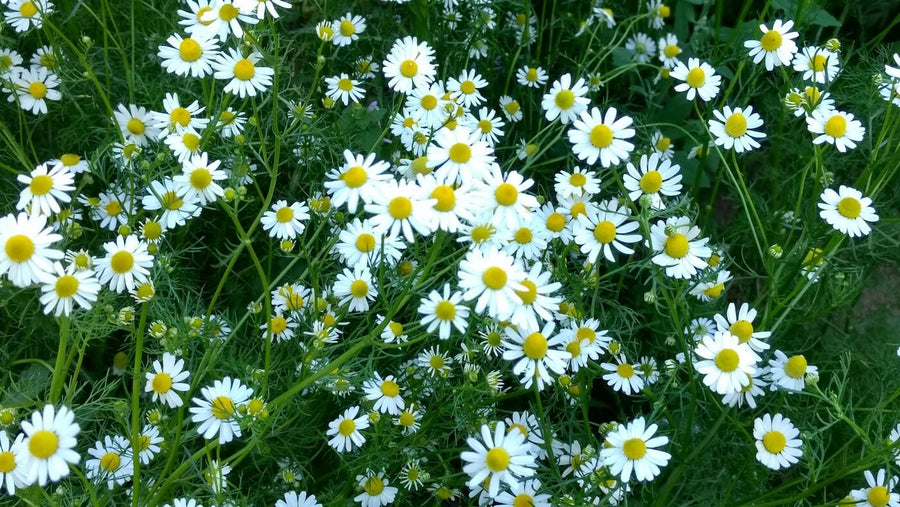
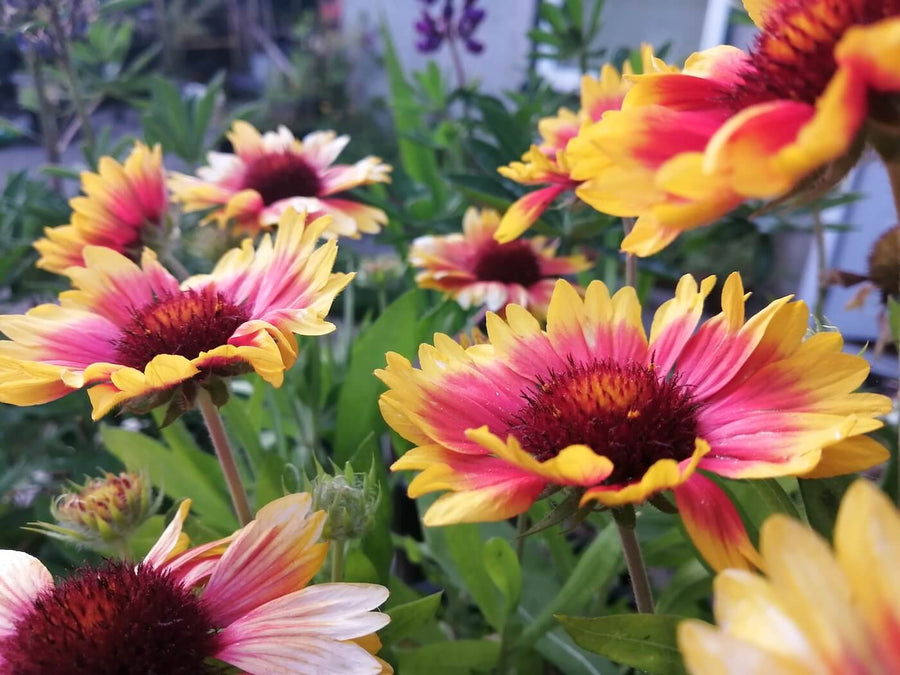
Echinacea, or coneflower, is like the gardenβs version of a multitasking superheroβbeautiful, resilient, and full of surprises. Its vibrant purple flowers with orange and golden brown cones are not only a feast for the eyes but also a delightful fragrance for the nose. This plant is a hit with local wildlife, offering birds a winter buffet and insects a friendly hangout spot. Plus, itβs as tough as they comeβdrought-tolerant, deer-resistant, and frost-hardy, making it the perfect low-maintenance garden companion.
Instructions
Sow 2 mm deep. Germination is 7 to 21 days. Sometimes Echinacea appreciates a damp cold period to break dormancy.
-
Receive by:
7 Jan 2026 - 14 Jan 2026
- Free shipping over $40
- Fulfilled within 48-72 hours
- Secure payments
- In stock, ready to ship
- Inventory on the way
| Type: | Herbs |
| Seed #: | 123 |
| Variety: | Coneflower |
| Colour: | Purple |
| Temperature (C): | 20 - 25 |
| Zone: | 3+ |
| Blooms: | July to September |
| Site: | Full Sun |
| Quantity: | 35 |
| Height (cm): | 90 - 95 |
| Spread (cm): | 25 - 30 |
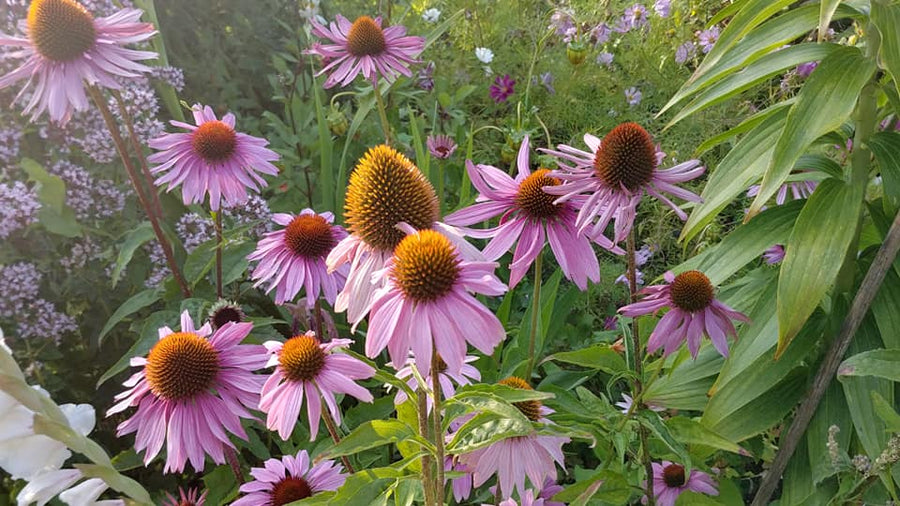
Echinacea does best in a sunny position with loamy, well-drained soil. Echinacea will tolerate some shade, is drought tolerant and deer resistant. It can be grown in cooler climates in pots or in a micro-climate that provides warmth and shelter. Against the south wall of your house. Urban areas may be a full Hardiness Zone warmer than rural areas just a few miles away. Urban areas tend to have less extreme low temperatures than the surrounding countryside. Buildings and paved surfaces absorb heat during the day, then radiate it back into the air at night, reducing the chances of frost and moderating low temperatures during winter. Buildings also offer protection from wind in many places.
The American Natives are credited for the discovery of the part of the plant the proved to be beneficial in medicinal applications. Echinacea has antiseptic properties useful in boosting the immune system and purifying the blood. Excellent as a herbal tea during cold and flu season.However,people suffering from autoimmmune diseases are advised against taking echinacea internally. Echinacea remedies should not be take for more than eight weeks at a time.Echinacea can be used externally for to aid in healing inflamed skin or assist wounds that are not healing correctly.
Echinacea is a popular, long lived perennial plant native to North America. 14 different Native Amercican tribes were said to have used this plant for many of their healing rituals. Echinacea purpurea is the most commonly used for medicinal purposes, due to an error made by Dr. Gerhard Madaus a medicine manufacturer, who came to America to collect the species Echinacea angustifolia, but brought the seeds purpurea by mistake.