



Calendula
- Seeds per pack: 50+
Seed Details
The Marvelous Calendula: A Garden Staple
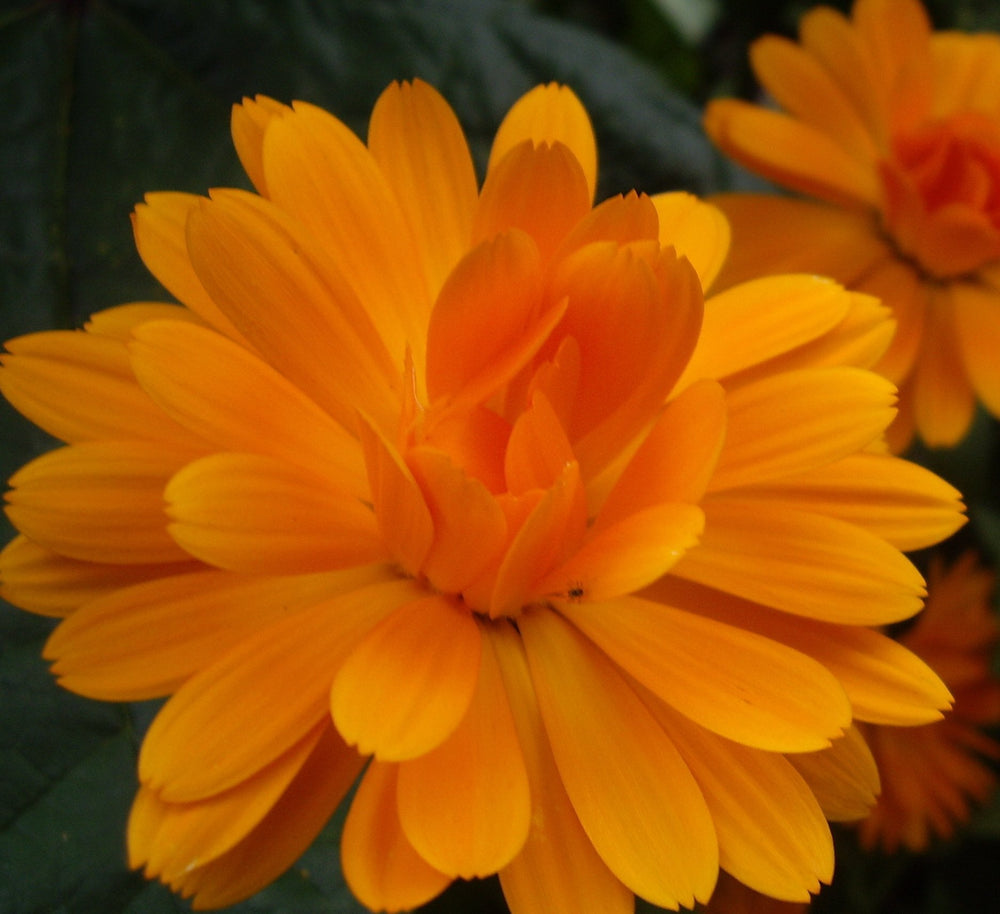
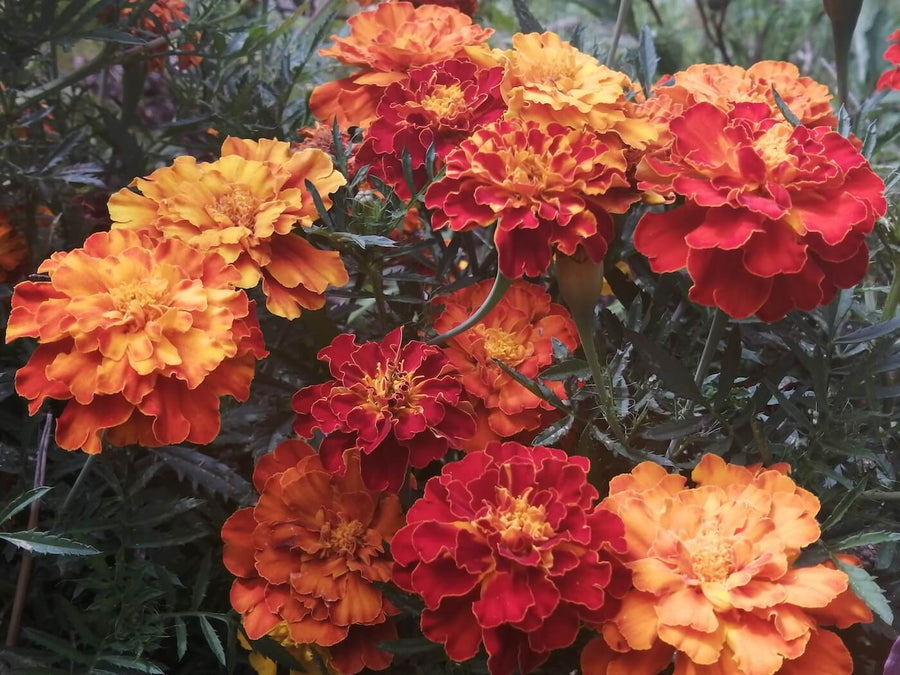
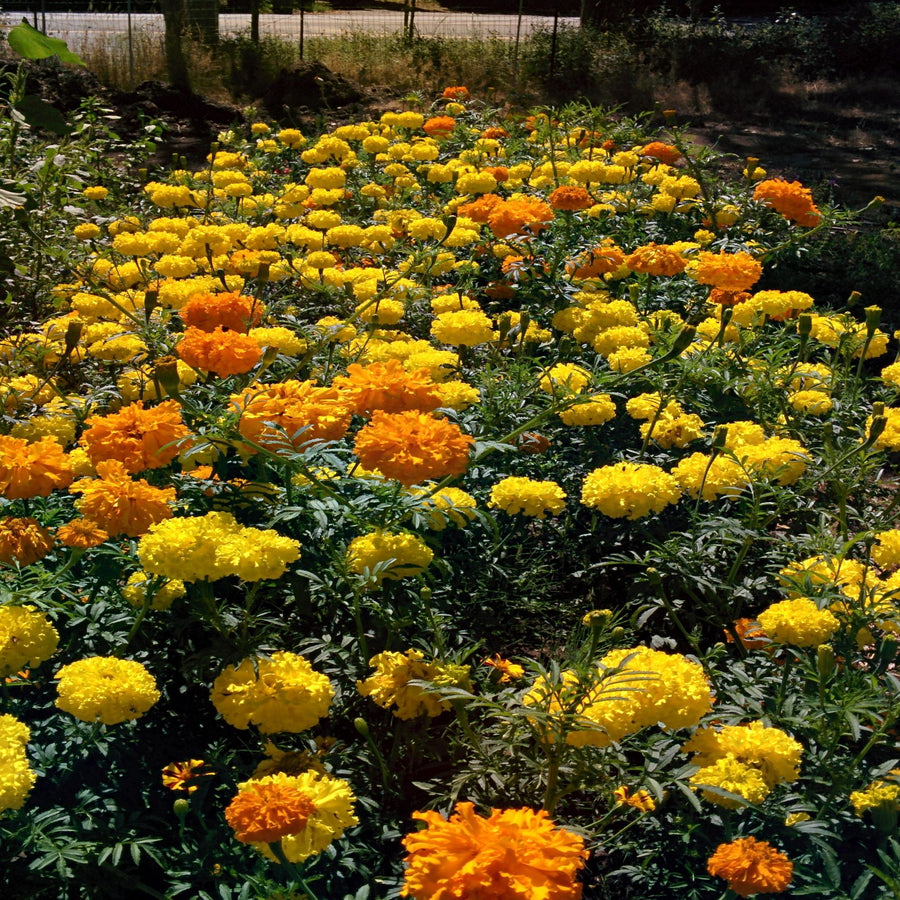
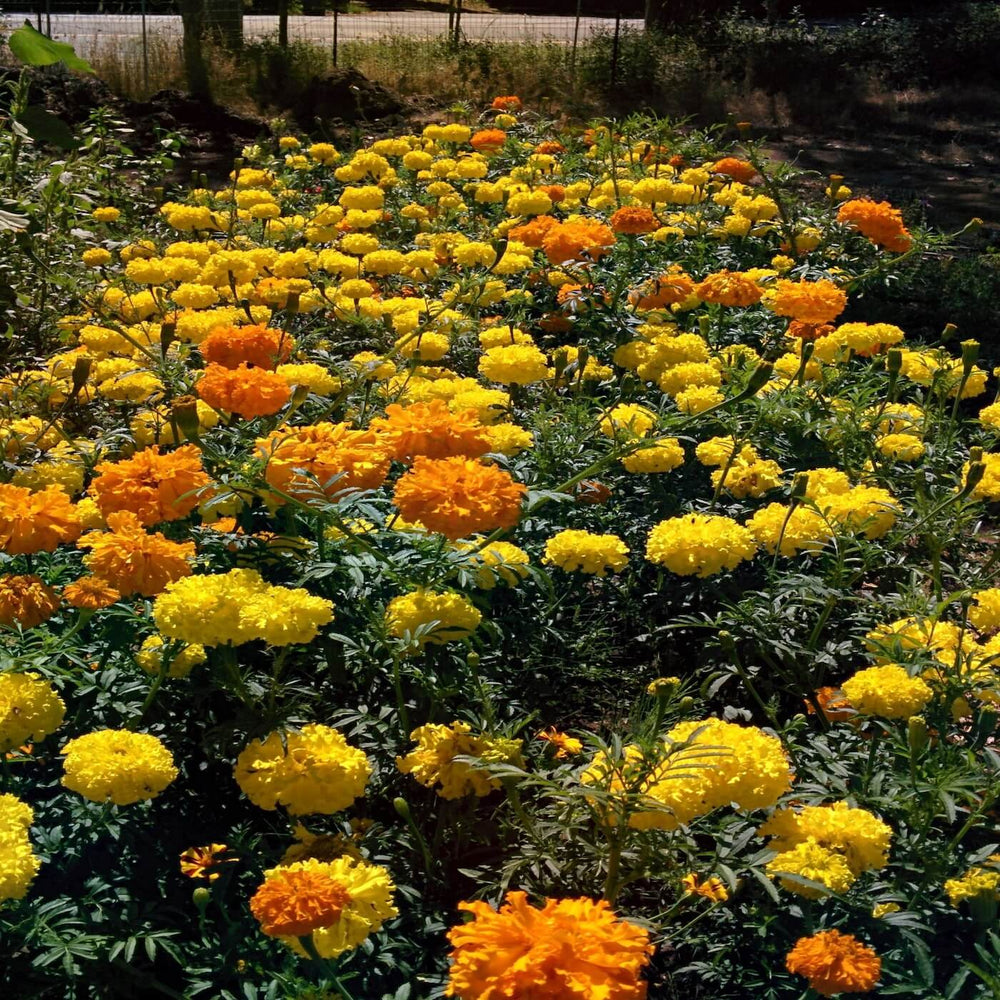
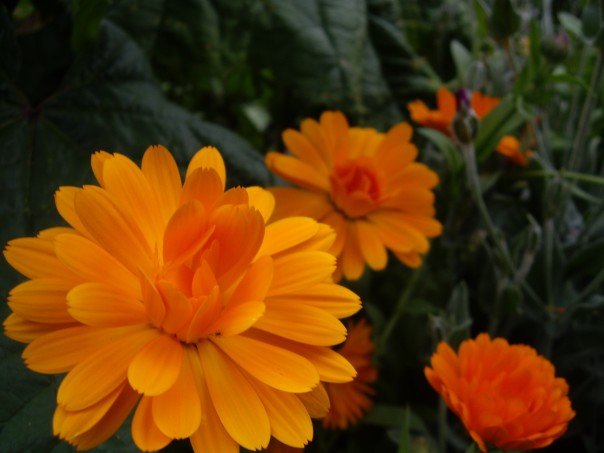
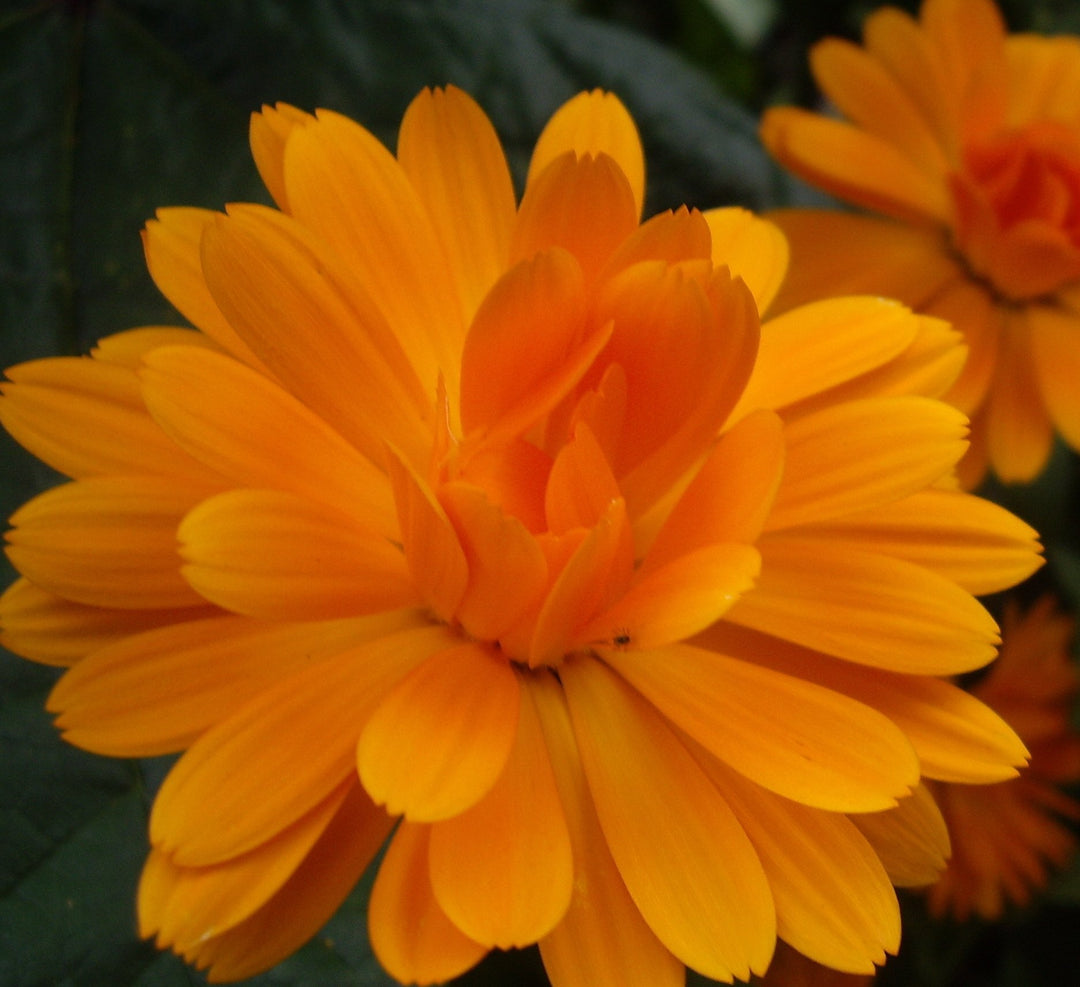
Calendula, affectionately known as the "pot marigold," is a vibrant flowering plant that brings a splash of sunshine to any garden. This hardy annual not only dazzles with its bright yellow and orange blooms but also offers a host of benefits that make it a must-have for every gardener. Known for its medicinal properties, calendula has been used for centuries to soothe skin irritations and promote healing, making it a natural first-aid kit, right in your backyard. Beyond its skin-loving attributes, calendula attracts pollinators such as bees and butterflies, ensuring your garden remains a buzzing paradise. Additionally, its petals are edible, adding a pop of colour and a peppery flavour to salads and dishes. With its cheerful appearance and multitude of uses, calendula is a delightful and practical addition to any garden space.
Instructions
Sow seeds 1 cm deep. Germinates in 10 to 15 days. Self-sows in warmer climates. Blooms straight through till fall, providing colour to your garden when all other plants are dying back.
-
Receive by:
10 Nov 2026 - 17 Nov 2026
- Free shipping over $40
- Fulfilled within 48-72 hours
- Secure payments
- In stock, ready to ship
- Inventory on the way
| Type: | Annuals |
|---|---|
| Seed #: | 59 |
| Latin Name: | Calendula officinalis |
| Variety: | Pot Marigold |
| Colour: | Orange |
| Temperature (C): | 18 - 22 |
| Zone: | 3+ |
| Blooms: | June to September |
| Site: | Full Sun or Part Shade |
| Quantity: | 50 |
| Height (cm): | 30 - 35 |
| Spread (cm): | 25 - 30 |
Extremely versatile and easy to grow in any soil with good drainage.
Prefers a slightly shaded area in hotter months but will flourish just about anywhere.
Calendula has a history of having anti-inflammatory properties. Great for wound healing, minor burns (including sunburn), eczema, peptic ulcers and sore throat.
The word Calendula derives from the Latin word calens. Calens means the first day of the month. The Romans also gave it the name Marygold as the bloom period for Calendula coincided with the festival that celebrated the Virgin Mary. There is also a Greek legend about four wood Nymphs that fell in love with Apollo the Sun God. The Nymphs became jealous of each other and neglected their duties to Apollo's sister Goddess Diana. This upset her so she turned them into four dull white flowers. This, in turn, upset Apollo who used his most golden rays to colour the flowers the brilliant golden colour we see today.